First Impression and Integration
February 2025
Initial Impressions
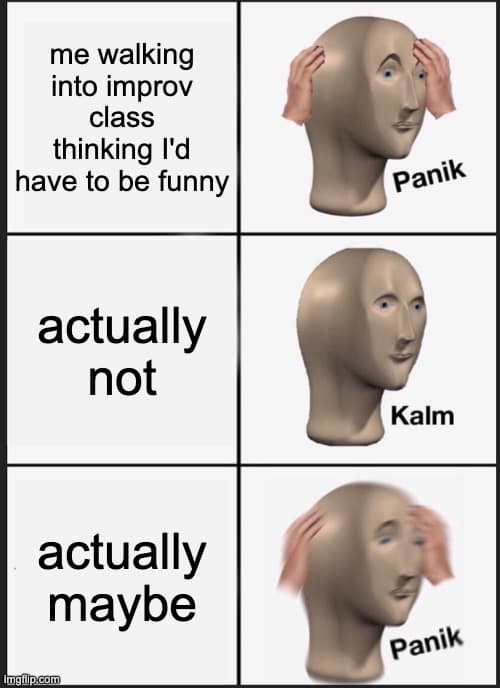
Prior to taking this class, I was shy about doing improv. I didn't even know what it really was, and I had this image of people simply acting out a random scene that focused on getting out of that comfort zone. And to be quite honest, I was not ready to really be out of that comfort zone. I was scared of being on stage, where I remembered making mistakes when I played violin in middle school.
I remember the first day of class, I was asked to act out a scene of me being the catcher in a baseball scene. It was awkward, and I was kind of scared. What if I made a mistake and made the scene awkward? But, to my surprise, the people who acted it out with me, Max and Eric, did an awesome job of making the scene fun and engaging. It wasn't really taking me out of the comfort zone, but it was just being in that zone that made me feel comfortable. That was different from just trying to be funny or from what I was expecting; it was just being in that moment and adapting to that scene before my eyes.
Excitement Factor
I think I get mesmerized by the sudden scene improv. While talking it out is fun and all, it sometimes gives off a more rehearsed vibe as it requires more thinking and planning. I really enjoyed the sudden movement scene improv, as it was more spontaneous and caused people to think less about the story and instead fully focus on the scene and moment. I particularly remember the scene where we had to act out apples, a worm on a tree, etc., suddenly and choose a single figure to build around. It was really fun to see how everyone interpreted the scene differently. This especially requires people to use "object in hand," where people have to use their body as an object and utilize their hands to act out the scene.
However, I do think that I am kind of missing out on actually doing speaking improv. Sometimes, I feel like I need to make everyone laugh and be funny, which is not the point of improv. I think this problem arises because I am not fully comfortable with speaking improv yet, which I hope to get more comfortable with as the class goes on.
Honest Nervousness
I think the main fear is the fear of being on stage and causing an awkward silence. Although I think that is a common fear for many people, I think it is especially true for me due to my stage fright. I remember when I played violin in middle school, I had to perform at Carnegie Hall, which caused a lot of pressure. I ended up making it through with some mistakes, which caused an inevitable stage fright for me.
That experience always comes back to me whenever I have to do something important, which I really want to explore and get through. Attempting to become the president of a club, giving presentations, and even just talking to new people have helped, but I think improv is a great way for me to get through this fear.
That is partly why I think being funny is a way to get through this fear. However, this pressure for me to be funny has also taken a toll on me, as I have been more focused on trying to be funny than just being in the moment and enjoying the scene.
Interestingly, a study by Felsman et al. found that students who participated in a 10-week improv program showed significant reductions in social anxiety, with the most engaged students benefiting the most1. This gives me hope that the more I throw myself into these exercises, the more that Carnegie Hall stage fright will loosen its grip.
Rule Integration
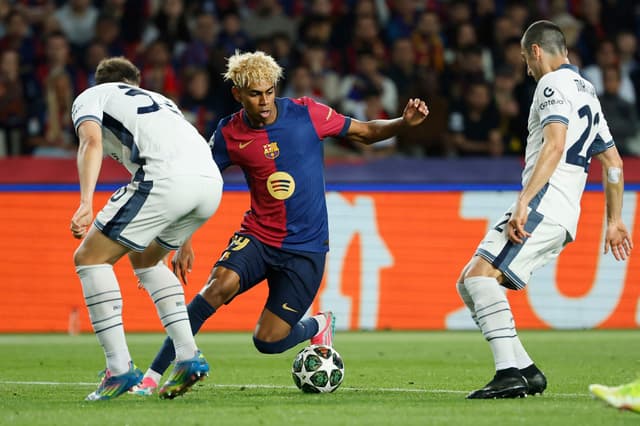
One improv rule that I really take into account is 'Yes, and..." (UCB Manual, p. 12). In the end, improv is all about accepting the other people's ideas and building on them. There are no scripts, no rehearsals, no second thoughts. It really comes from nature when people are just talking and building on an idea together. This is like playing soccer. You have to pass and accept the ball from your teammates, given the situation, you have to make the best decision to pass, dribble, or shoot. In the end, it ends with a goal, a cooperation between all of your teammates. In his TED talk, David Prejeant describes how "Yes, and" transformed him beyond the stage, imagining how much more we would accomplish if we all learned to build on each other's ideas rather than shut them down2. This is exactly what I mean by the soccer comparison: you can't score if you refuse the pass.
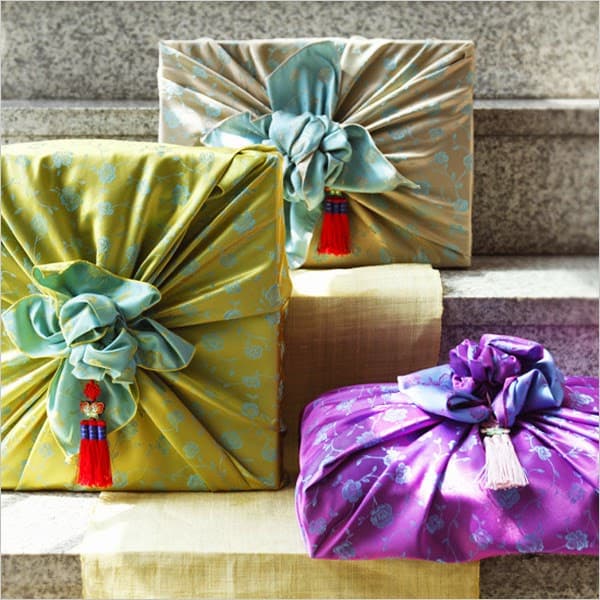
The second rule that I take into account is "Give and Take" (UCB Manual, p. 37). In the end, improv is all about cooperation and teamwork. In Korean culture, there is a concept of giving back and forth, where people are expected to give and take regarding gifts. This is something that I have been used to since I was a child. And this really takes a key role during improv, as it really emphasizes the importance of cooperation.
Citations
- Felsman, P., Gunawardena, S., & Seifert, C. M. (2020). "The use of improvisational theater training to reduce social anxiety in adolescents." ScienceDirect
- Prejeant, D. "How improv made me a 'yes and' person." TED Talk